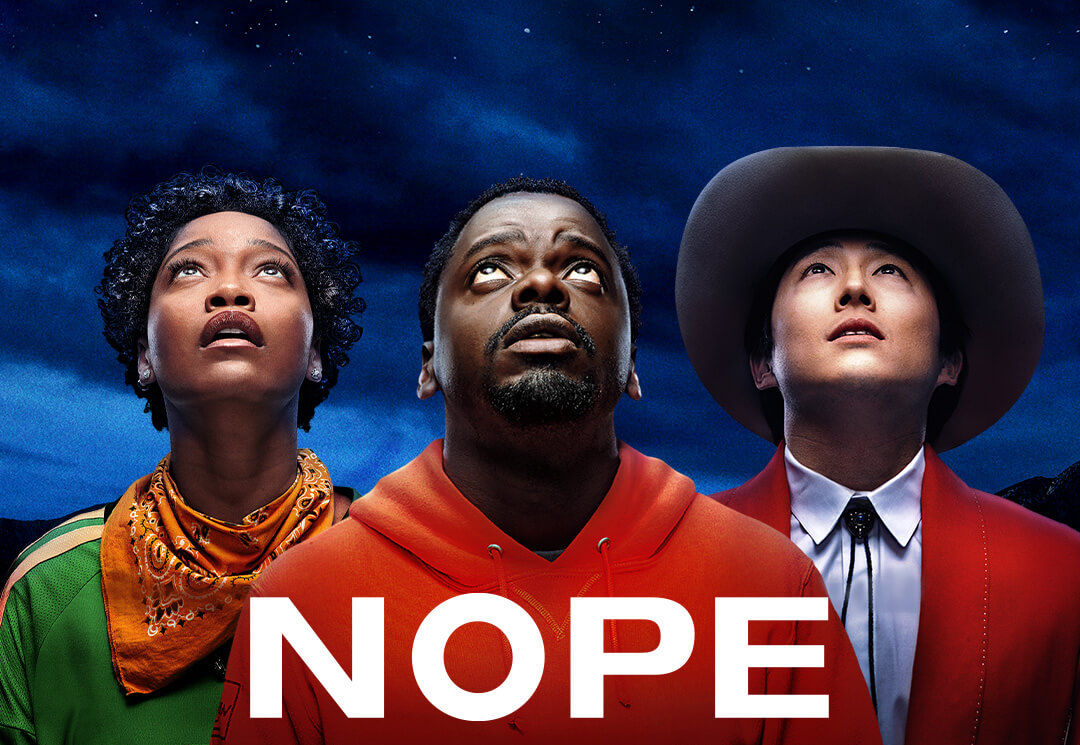
Jordan Peele’s latest attempt at genre bending blockbuster is a go big or go home attempt at recapturing the magic of Steven Spielberg.
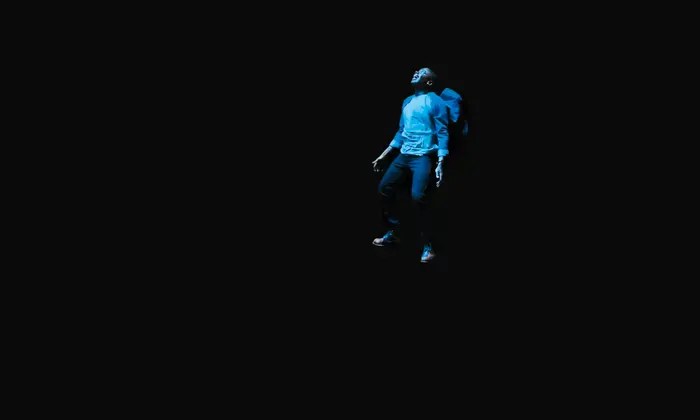
“Nope” is a film that can be consumed in layers. On the surface, it is a summer blockbuster with a blend of science fiction, cowboy western, and a dollop of horror-comedy on top. It can be enjoyed as an extraordinary spectacle on screen, an overload of the senses as you are consumed by sweeping landscapes, a booming score, and glimpses of the supernatural. With heavy influence from movies like Jaws or Cloud Encounters of the Third Kind, “Nope” can overwhelm you with the thrill of it all, the hunt, the mystery. You could also enjoy “Nope” as a pure satire, as it holds up a mirror to our society and examines how we see images through different lenses. As with most of Peele’s movies, the first watch is spent trying to figure out what the hell is going on, sprinkled with incredible set pieces and visual imagery that stick in your brain for days. Imagine Daniel Kaluuya’s character falling into the Sunken Place for the first time in “Get Out.” Or getting a glimpse of the mirror family for the first time at the top of the driveway in “Us.” Those images stick with us due to their technical brilliance, how striking they are, and the absolute “what the fuck!” of it all. They are meant to pump us full of adrenaline and strike us with a sense of dread.

And like Peele’s other films, “Nope” can be enjoyed on those terms. You don’t have to read into the metatextual nature of exploitation or the horrors of capitalism and slavery to enjoy “Get Out.” You don’t have to explore the themes of nature vs. nurture to love “Us.” You can love those movies on their own terms. Just like to appreciate “Nope” you don’t need to examine the racist history of Hollywood or our societies desperate need to capture and control images without the desire to understand them.
But the beauty of Peele’s movies is that he has the audacity to make his audience think. He challenges their pre-conceived notions and treats his audience as equals in the process. When you start to dive into the themes of the movie, you realize how deep a well he is drawing from. I went to see the movie a second time and simply let it wash over me. I was able to see the little clues he sprinkled along the way that helped me contextualize the message he was trying to convey. This is common in Peele’s movies, as the initial images that strike me aren’t the ones that stick with me the longest. I continually think about the scene in “Us” where Lupita’s character is explaining to her husband what happened to her as a child at the Santa Cruz boardwalk. She is facing the window, which looks out into the night, and the camera is positioned behind her. This makes it appear like the window or mirrored version of Lupita is speaking into the camera. If you have seen “Us”, you realize how incredible of a sequence this is. But you don’t get to appreciate it until you watch it a second time.
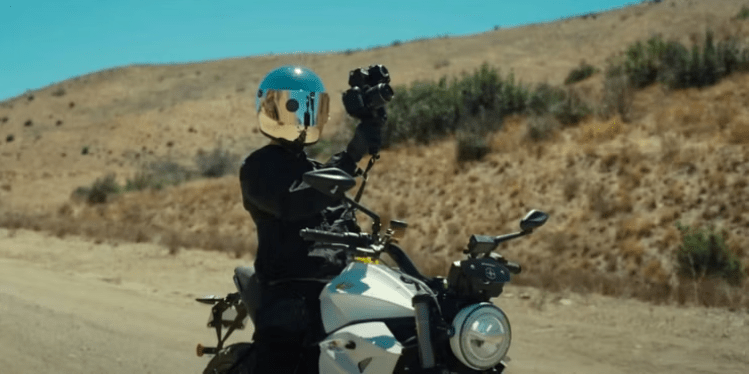
Similarly, in “Nope” during my second watch, the moment that continues to stick with me the most is a scene later in the movie when a TMZ reporter comes along, wearing a totally reflective helmet. We never see his face, but we do understand his motivation to do everything he can to get the perfect shot. He is reflecting a bright mirror back to us, as a society, about what we have found to be important in the 21st century. It is an extremely clever way to send a message, and one that I only appreciated on a repeat watch.
Jordan Peele is on the short list of my favorite working directors. Even if what he puts out doesn’t totally work, and “Nope” certainly doesn’t work on every level like “Get Out” did, he puts together something singular and unique every time he sets out to make a movie. No director gets better performances from his actors. Very few directors have the visual flair and penchant for coded imagery that Peele has. And no one has a keener sense of the moment and the ails of society. He has the potential to be the defining voice of this generation of filmmakers and one of the greatest filmmakers of all time, just like Spielberg before him.
I can’t wait to see what he does next.
 parnhampicks.com
One thought on “The Audacity of “Nope””